Start with the place where you will actually live
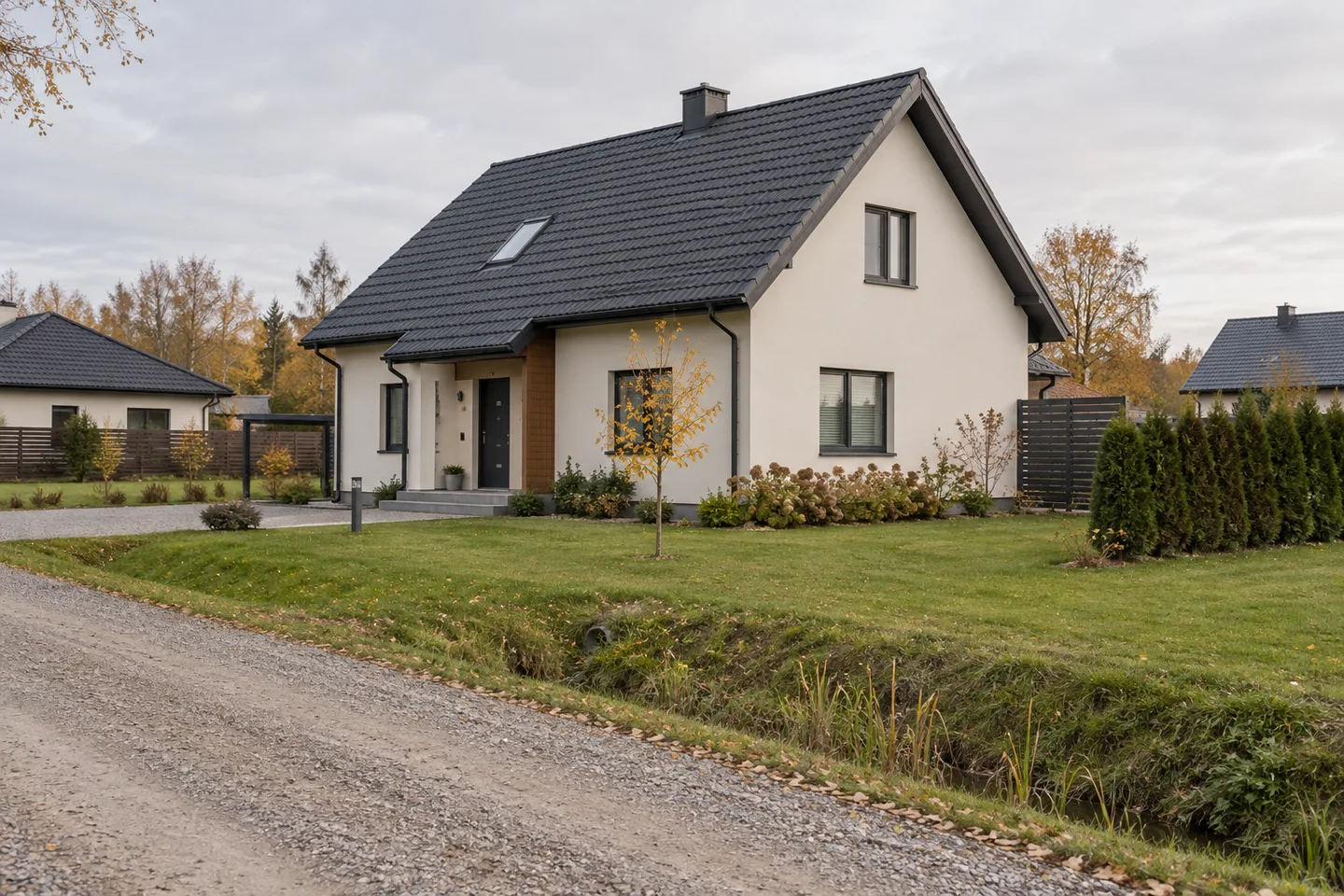
Ginduliai, Slengiai, Triušeliai, Dovilai and the area around Gargždai differ in daily convenience. Map your week's routes to work, school, childcare, shops and healthcare, then drive from the actual gate at your usual travel time. Check the evening return, walk to a bus stop and street lighting.
Treat an empty neighbouring field as land whose use may change. Klaipėda District Municipality explains where to find current planning documents. Check the particular plot and adjacent areas on the map; ask municipal specialists about uncertainties. Set location criteria before arranging a house search in Klaipėda and nearby areas.
A completion percentage does not tell you the cost of finishing a house
Request current register extracts for the house and plot, cadastral files, the project, a building permit where required, and available completion documents. Registrų centras explains that an extract establishes registered details, rights and restrictions. Compare the address, unique numbers, use, area, owners and recorded completion with the property offered.
An attractive interior does not prove construction paperwork is complete. For an unfinished build, ask a specialist to list remaining work, tests and documents. VTPSI advises buyers to check energy performance and airtightness documents. Requirements depend on the particular project and circumstances; do not assume the remaining completion percentage equals the remaining cost.
Look for extensions, enclosed terraces and altered layouts. The property-document guide can help organise the paperwork.
Set aside a separate appointment for a technical inspection
Arrange an independent building specialist's inspection, with access to the attic, utility room and other relevant spaces. Agree that it covers the structure, roof, windows, moisture signs and utility systems. Ask for a photo report stating findings, inaccessible areas and any further tests needed.
- Check the base, exterior cracks, downpipes and water drainage away from the house.
- In the attic, look for leaks and assess accessible insulation and ventilation.
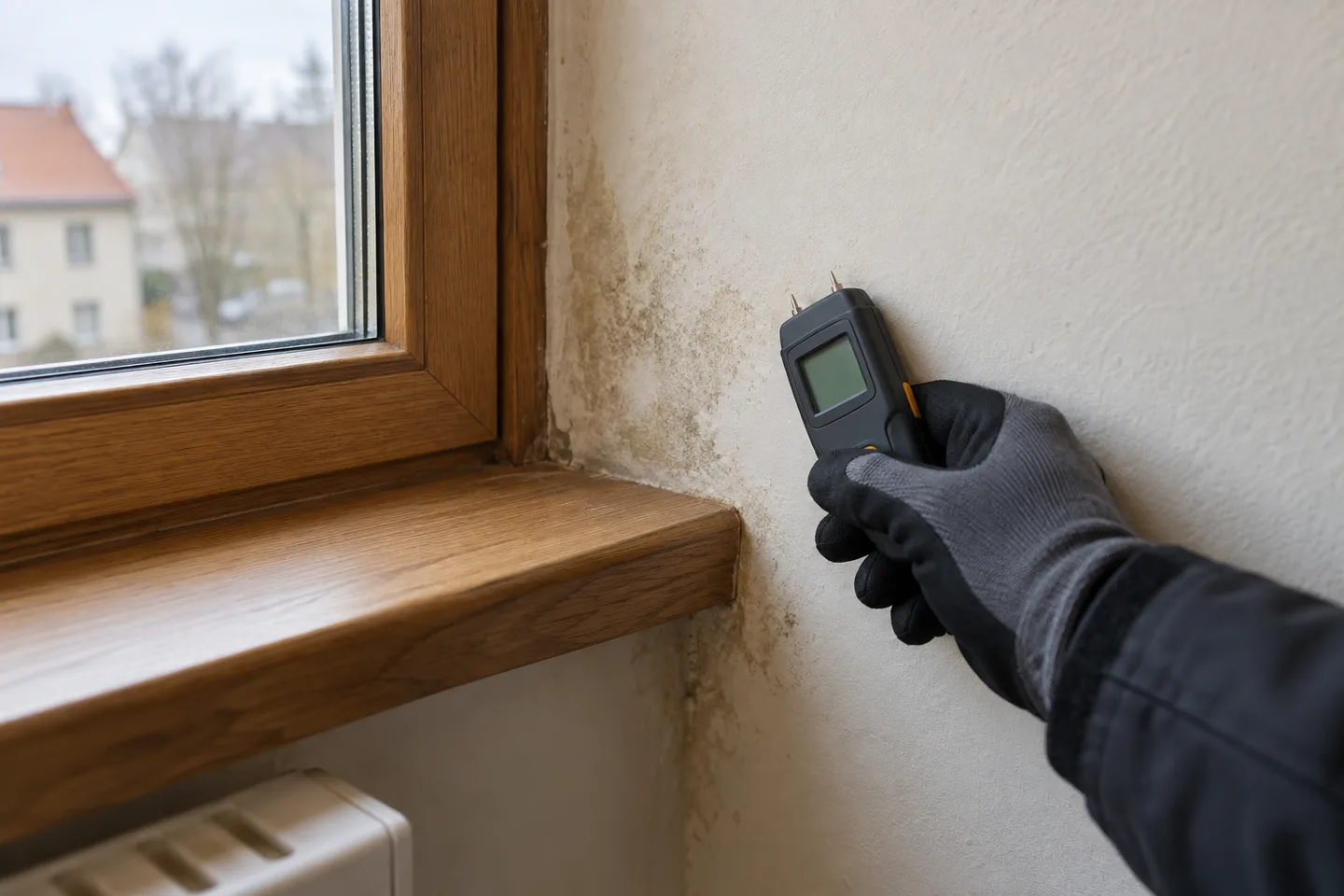
- Inside, test windows and check corners, odours and moisture-marked finishes.
- Record equipment that does not work and arrange a test before deciding.
The RICS buyer guide explains the value of a physical inspection and clear condition report. That principle is useful here, but UK survey categories are not Lithuanian requirements. Visual checks alone cannot reveal every concealed part of a building.
Utilities: check the working system as well as its paperwork
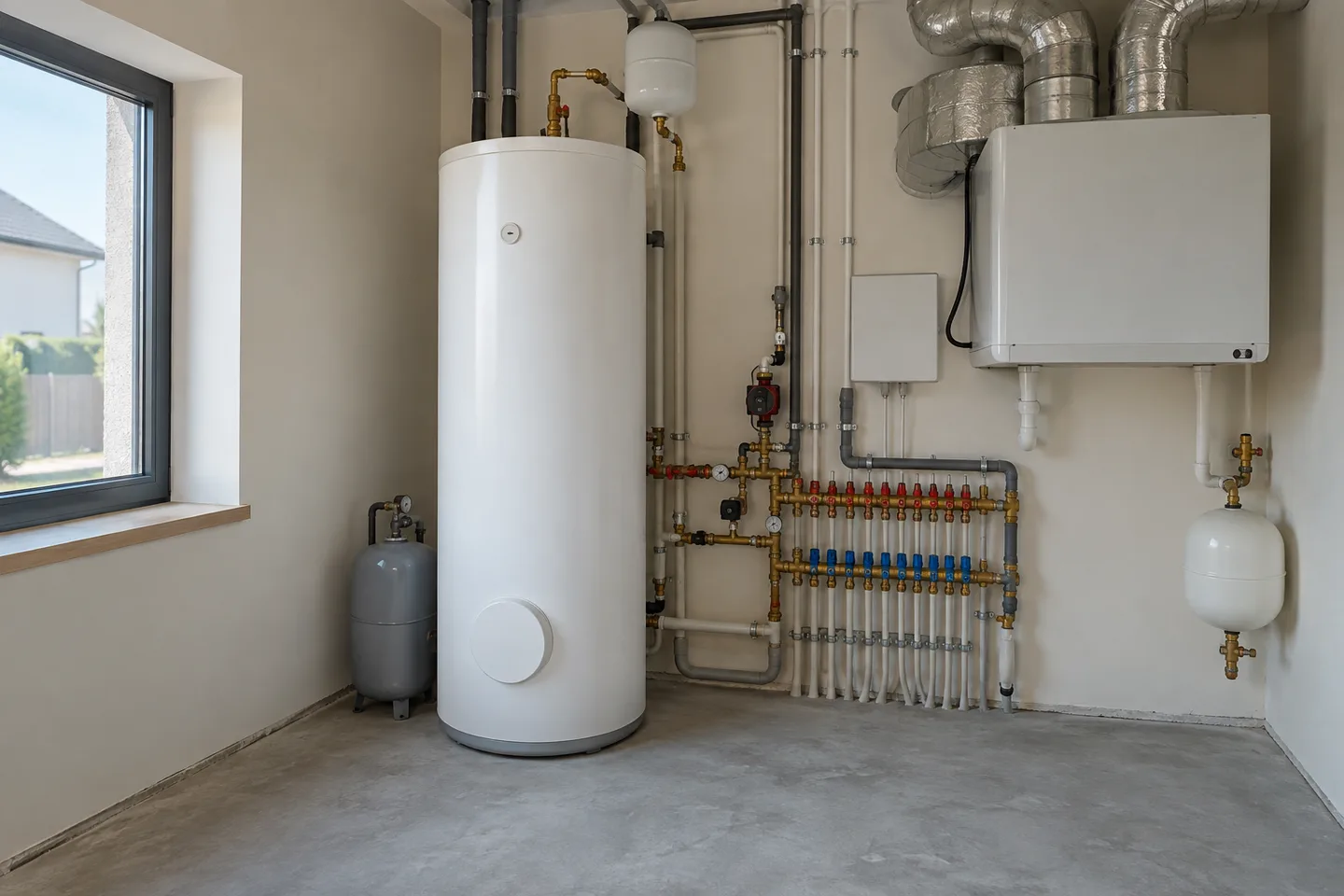
“Utilities” can mean different levels of readiness. Separate what is connected and used, brought only to the plot, or only shown in a plan. Ask for connection, ownership or use documents and service agreements. For shared networks, identify the owner and how repair costs are divided.
For a private water source, request well or borehole documents and water test results. For wastewater treatment, clarify the location and model, service history, where treated water goes and whether maintenance vehicles can reach it. The US Environmental Protection Agency's buyer guide also recommends checking private wastewater systems and their maintenance before purchase; US rules do not apply in Lithuania.
For a promised future central water connection, ask for a specific project and provider confirmation. Until implementation is clear, budget for the system working today.
Ask whether the equipment is registered: the municipality says individual wastewater treatment systems must be registered in its wastewater information system. Registration and actual technical condition are separate checks.
Found a house you like, but still have questions?
Aleksandr Fedosejev can help organise questions for the seller, plan the purchase process in Klaipėda or nearby areas, and discuss negotiation priorities. Have technical issues assessed by the relevant specialists.
Let’s discuss the house you have chosenAccess and the plot: what will you be entitled to use?
A driveable road does not establish the basis on which you will use it after purchase. Ask to see the road plot, ownership information and documents providing access. If an easement is mentioned, ask a notary or lawyer to check its scope and application to this house. Establish who clears snow, levels gravel, repairs potholes and shares the costs.
Compare the plot plan with the fence and yard in actual use. After rain, check low areas, the entrance and water flow. Ask about drainage, land-reclamation infrastructure and previous flooding. This does not mean the whole district floods or guarantee that a specific plot will stay dry; assess the particular site. Unclear access or drainage should be checked before paying an advance.
Work out the cost of running the house across a full year
Request energy bills for at least one full year. Ask how many people lived there, what temperature they kept and whether the house was heated continuously. A low bill for an empty house does not predict your family's costs. Check the heating equipment's age, warranty and service history, electrical supply capacity and ventilation maintenance.
Budget for filters, servicing, wastewater maintenance, insurance, yard care and road costs. Set aside money for repairs identified by the specialist. An illustrative comparison: a cheaper house needing immediate roof repairs and a heating upgrade may require more cash up front than a costlier, well-maintained option. Use contractors' quotations, not generic online rates.
If you are assessing the asking price, a preliminary house-price assessment can help discuss market position. It does not replace a technical inspection or a bank valuation.
Resolve open questions before paying an advance
Make a one-page table: question, evidence needed, responsible person and deadline. Separate cosmetic preferences from issues that could change your decision. A document mismatch, unclear access or untested system should not be left as a verbal “we will sort it out later”.
In the agreement, specify who resolves each issue and by when, which documents are handed over, when a follow-up inspection is possible and what happens if conditions are unmet. Read more about preliminary property purchase agreement terms. If comparing several houses, a real estate broker consultation can help sequence checks and negotiations. Decide when you understand both the price and what you are taking on.
Questions and answers
Does 100% completion mean that the house has no defects?
No. A completion entry does not replace an inspection of physical condition. A fully completed house may still have leaks, faulty systems or maintenance issues. Check documents against the property and assess its actual condition separately. Record discrepancies before agreeing the final terms with the seller.
What if the seller does not know who maintains the road in the development?
Ask for the road plot details and copies of any agreements. Speak with co-owners or the administrator about actual costs. Until you know your basis for using the road and who is responsible, an open gate does not settle the issue.
Is it worth viewing the house while it is raining?
Yes. A visit after heavier rain can reveal standing water, downpipe problems or leaks. It supplements a specialist inspection but cannot show how the plot behaves in every season. Ask about past flooding and drainage work.
How can I tell whether the heating bills are comparable?
Compare bills with heated floor area, number of residents, indoor temperature and other energy sources. Ask whether a fireplace was used or the house stood empty during winter. The heating model or energy rating alone does not predict your bills.
What matters most when buying a house with a private wastewater system?
Check the system's location, technical details, service history and actual operation. Ask whether it suits the expected number of residents, how it can be accessed and who maintains it. If in doubt, arrange a specialist inspection before committing and discuss the findings.
Does a bank’s property valuation replace a technical inspection?
They serve different purposes. A lender-requested valuation is not an inspection of every structure and system. Agree the scope, accessible spaces and report contents with a technical specialist. Discuss lending and unfinished-construction conditions separately with your lender.
When is it better to pause a house reservation?
Pause if essential documents are missing, important spaces cannot be inspected or the legal basis for access is unclear. Ask for a specific answer and deadline. Also pause if newly identified work no longer fits your budget, even if you like the house.
Compare houses using the full purchase budget
Contact Aleksandr Fedosejev about buying a house in Klaipėda and nearby areas. Discuss location, documents, price and next steps to compare your options in a structured way.
Talk it through before you decideSources and further reading
- Registrų centras: information in register extracts
- VTPSI: energy performance documents for an unfinished house
- Klaipėda District Municipality: territorial planning information
- RICS: house condition surveys
- US EPA: checking a private wastewater system before purchase
- Klaipėda District Municipality: registration of individual wastewater systems
Images are AI-generated illustrations. They do not show specific properties for sale or NTIQ clients.